|||||||||||||||

Sustainable actions to face the serious drought situation in Catalonia

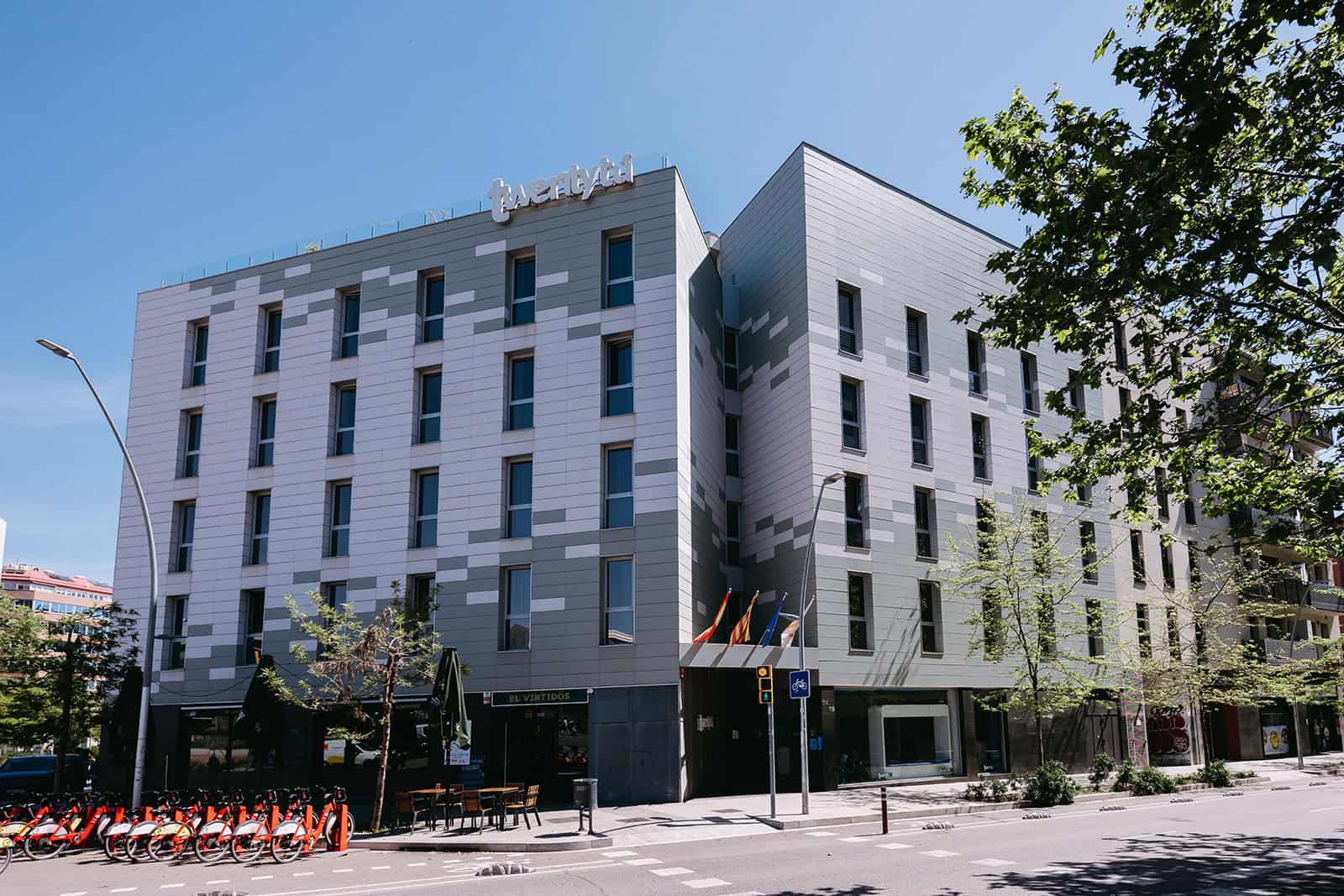
At Twentytú Hostel we make a responsible use of water through the latest technology
 

 /></p>
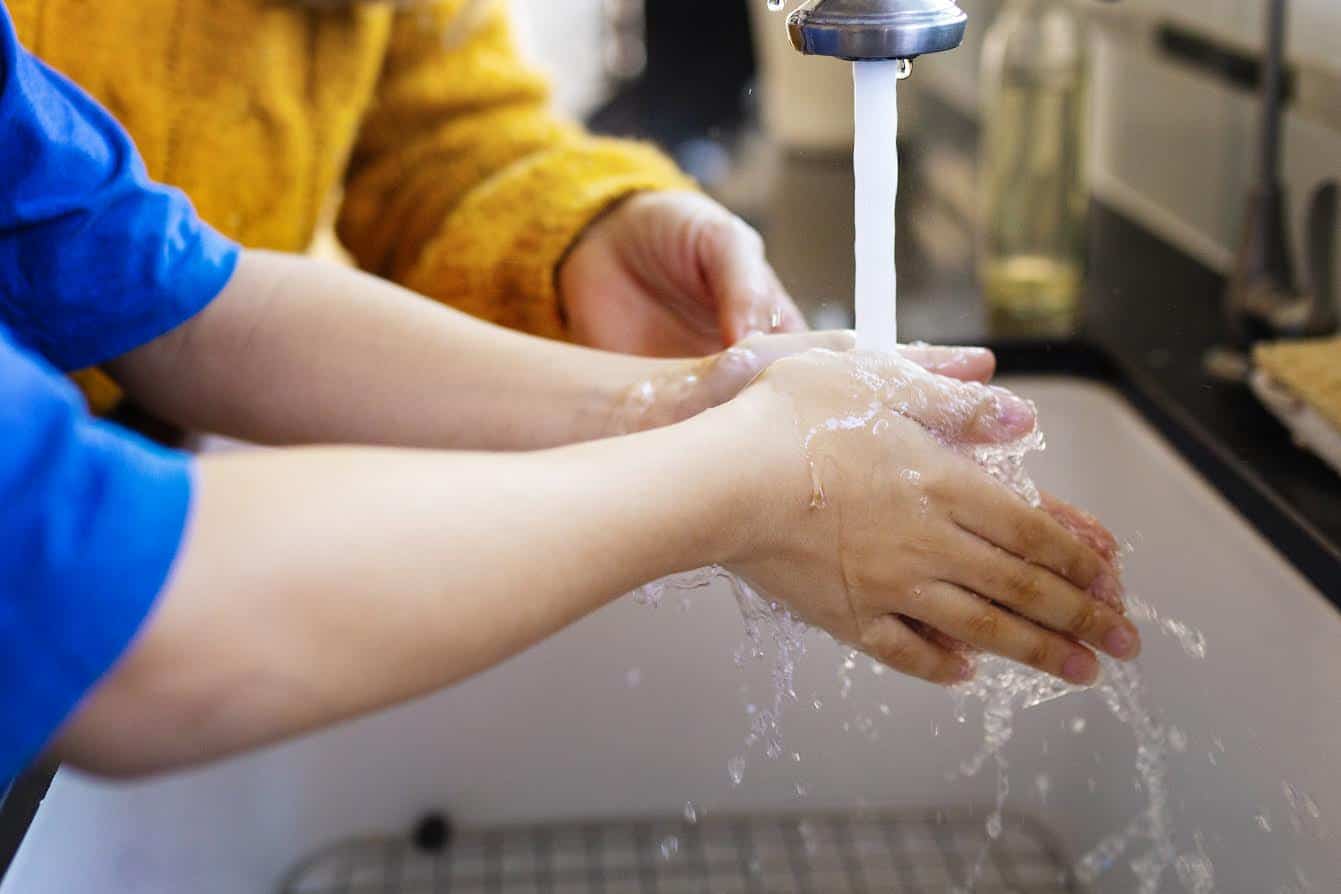
<p>On International Water Day we want to make a worldwide call for a responsible use of water.<br />The current situation in Catalunya, and in Barcelona, is becoming increasingly worrying due to<br />low rainfall and lack of water.<br />Currently, climate change has caused different impacts on the water cycle, so droughts,<br />melting glaciers, rising sea levels, and changes in rainfall and snowfall abound. These impacts<br />depend on the uses that humans make of water, since we consume more water than we can<br />afford, for example, during a shower we use an average of 20 liters per minute, which is<br />equivalent to the same amount that a person drinks in 50 days. Moreover, the areas most<br />affected by this water shortage are those with a profile of higher temperatures and lower<br />rainfall, which in turn are the biggest consumers of water, and in which water supplies can be<br />reduced by 50%.<br />Drought is a gradual process that progresses depending on the reserves of the reservoirs of the<br />Ter-Llobregat system. The action protocol for drought situation in Barcelona includes different<br />phases, and we’re currently in the emergency phase, based on the exceptional lack of water<br />resources, in which extraordinary restrictions and limitations on the use of water are<br />established.<br />The drought traffic light foresees a further phase, the recovery phase, which is activated<br />according to the severity of the damage caused. It includes specific actions that allow the<br />gradual recovery of a situation of normality.</p>
<h2>CURRENT RESTRICTIONS</h2>
<p>This drought phase leads to the following restrictions on water use, which, if not respected,<br />can lead to different sanctions. These restrictions are:</p>
<ul>
<li>Maximum water consumption is 200 liters per person per day.</li>
<li>The irrigation of green areas and gardens, both public and private, is prohibited. Non-potable<br />phreatic water or reclaimed water may be used to irrigate trees in the affected municipalities.</li>
<li>It’s forbidden to totally or partially fill any type of swimming pool for private or family use.<br />Only those belonging to sports facilities may do so, provided that they apply saving measures<br />equivalent to the volume of water used to fill them.</li>
<li>It’s forbidden to fill ornamental fountains, artificial lakes or other elements of aesthetic use of<br />water.</li>
<li>It’s prohibited to clean streets, sewers, pavements, facades or buildings with potable water,<br />whether public or private. The use of non-potable water will be maintained, but the number of<br />teams performing this type of cleaning will be reduced.</li>
<li>Vehicles may only be cleaned in commercial establishments that are dedicated to this and that have a water circulation system.</li>
<li>Reduction of agricultural irrigation by 80%.</li>
<li>Reduction of water use for livestock by 50%.</li>
<li>25% reduction in water consumption by industrial users.</li>
<li>Reduction of water consumption in recreational uses (25% in uses assimilated to urban uses).</li>
</ul>
<p><img width=

Share
Facebook
Twitter
LinkedIn
WhatsApp

You might be interested in...

:is(#ast-desktop-header, #ast-mobile-header)>.ast-above-header-wrap .site-header-above-section-right.site-header-section>div
Scroll to Top